Meeting customer expectations during food presentation is of utmost importance for catering companies and food service providers. In this regard, all packaging suppliers—especially two-compartment food container manufacturers—must meet these expectations. Furthermore, these expectations are categorized into distinct evaluation criteria and quality standards. Manufacturing processes that successfully fulfill these standards maximize the advantages buyers derive from the products. For both two-compartment food container manufacturers and their target audience, understanding the application areas and key purchasing criteria of these containers is essential.
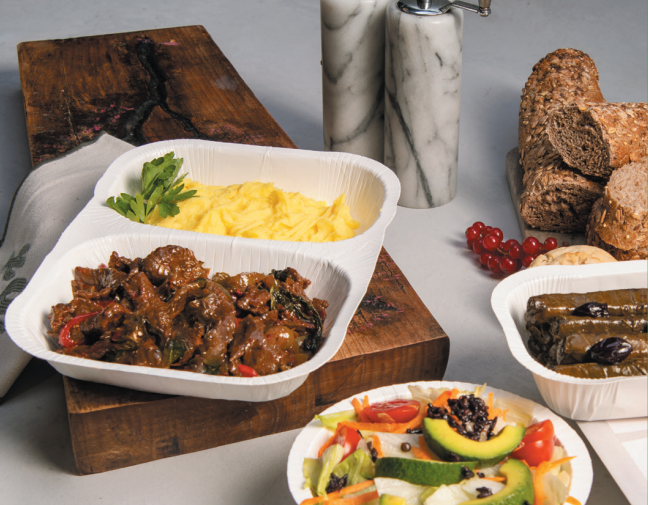
Food containers come in various shapes, production materials, volumes, and functional capabilities. The development of these shapes and functions depends heavily on consumer application areas and functional demands. Two-compartment food containers are mostly preferred by eateries, restaurants, and other food service establishments. Different container designs are selected based on whether they are used for long-distance delivery or local table/counter service, as the service radius directly dictates the required container characteristics. Consequently, two-compartment food container manufacturers shape their production policies based on these specific functional requirements.
When purchasing two-compartment food containers, numerous factors form the core of key considerations, including application areas, consumption volume, and the target audience’s expectations. The term “target audience” refers to the end-consumers who will be served using these food containers. Since food service companies focus heavily on their own customers’ expectations, end-consumer preferences become equally vital for container manufacturers. Analyzing end-consumer demands regarding food containers is critical to designing the right manufacturing processes.
During the procurement of two-compartment food containers, durability and practical usage during food service are heavily prioritized. Because for the businesses serving the meals, those diners are the ultimate end-users. Therefore, end-consumer expectations directly become the expectations of the food service company.
Raw material properties constitute the most decisive criterion in the purchasing process. It is essential that the container’s interaction with hot or cold food and its production material meet strict hygiene standards. Not every raw material is suitable for every type of food service. In this context, buyers must establish a clear alignment between the characteristics of the food being served and the material and thermal properties of the food container.
As with any product, cost efficiency plays a crucial role during procurement. Product cost holds significant weight for buyers as well as for two-compartment food container manufacturers, as this expense is factored directly into the overall operational cost of the meal service. Selecting the most cost-effective options during these calculations positively impacts the overall budget of businesses using food containers.
The final item to include on the purchasing checklist is volume selection. The characteristics, consistency, temperature levels, and portion sizes of the meals served become decisive factors when choosing container capacities. Therefore, buyers must carefully evaluate the type, temperature, and format of the food they intend to serve before finalizing their container volume specifications.